Effective Job Search Strategies for Remote Work Opportunities in 2026
Discover essential strategies for finding remote work opportunities in 2026, including networking tips, leveraging technology, and optimizing your application materials.
Job Board
Live jobs from LinkedIn, Indeed & Google.
In recent years, remote work has evolved from a novelty to a necessity, penetrating nearly every industry. By 2026, the landscape will be even broader, offering opportunities for those who are prepared with effective job search strategies. Whether you're switching to remote work or stepping into the job market for the first time, a strategic approach tailored specifically to remote work can set you apart. Start by creating a versatile resume with Recruit Myself's free resume builder, ensuring it's as adept at navigating the virtual landscape as you are.
Understanding Remote Work Trends in 2026
Remote work will continue to transform how businesses operate. New trends include increased reliance on digital tools and flexibility in job roles. Operations that were once thought impossible to manage remotely, like production or customer engagement, are now fully virtual.
For example, job roles within the tech industry, particularly in software development and digital marketing, are leading the charge, giving you the flexibility to work from anywhere in the world. Roles like virtual enterprise consulting and online teaching are seeing tremendous growth, facilitated by improved communication tools and platforms that support remote learning and collaboration.
Familiarize yourself with these trends so you can align your job application materials to reflect the skills in demand. Tailoring your resume to highlight experienced or self-taught remote-working skills will help you adapt to these changes and stay ahead of the competition.
Leveraging Technology in Your Job Search
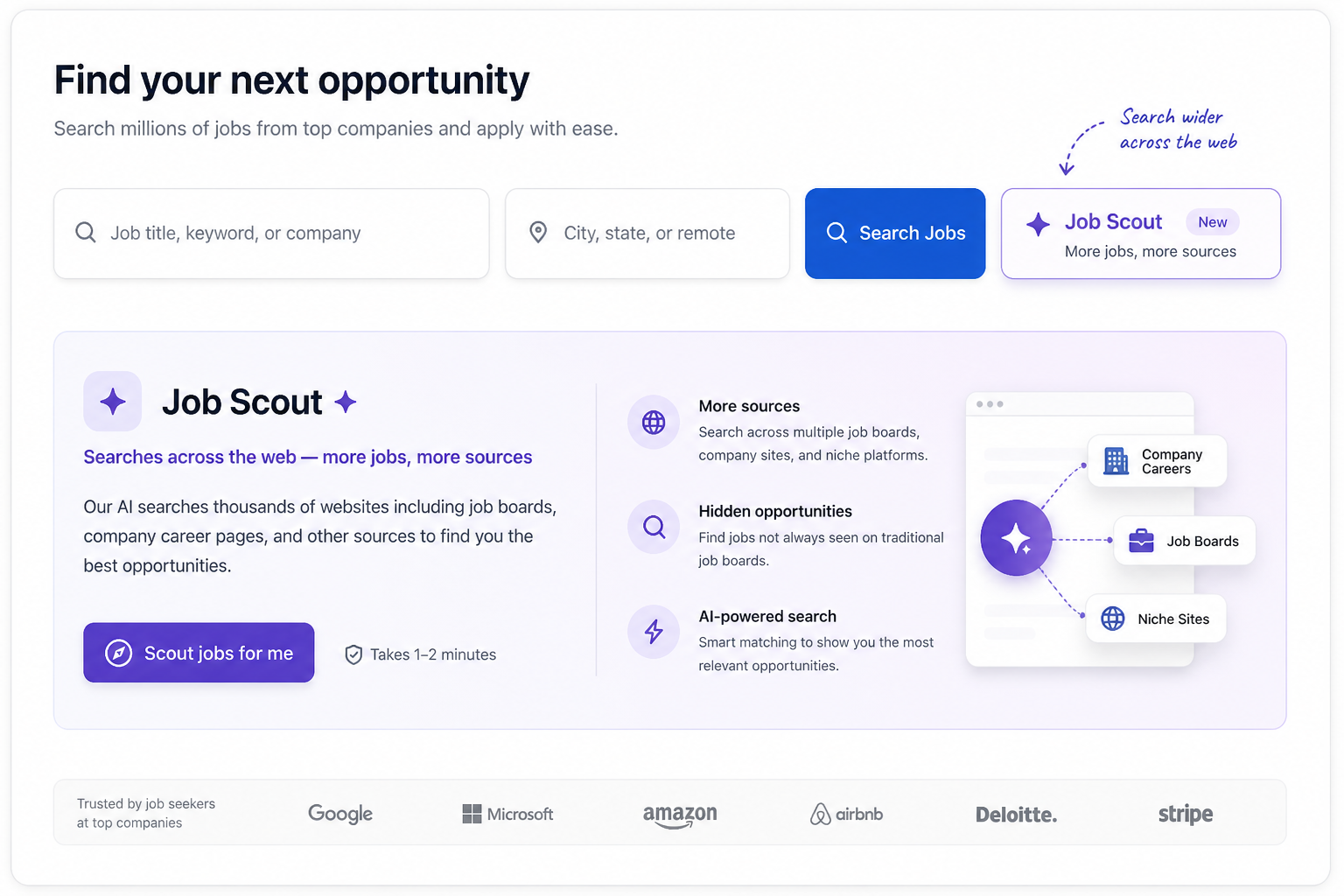
Technology stands as a pivotal element in the job-seeking equation, especially for remote positions. Online job boards and virtual networking events offer a treasure trove of opportunities. For instance, leveraging Recruit Myself's job search tool can effectively match you with remote positions that complement your skills and experience.
But it's not just about finding jobs—technology can help improve how you present yourself to potential employers. Update your LinkedIn profile to reflect your adaptability and experience in remote settings. Use Recruit Myself's LinkedIn profile score tool to ensure your profile is optimized to catch the attention of recruiters.
Besides major platforms, explore niche remote-oriented job boards like Remote.co and We Work Remotely, which specialize in jobs that allow work from anywhere and may not appear on traditional boards.
Networking in a Virtual World
Networking remains one of the most powerful job search strategies, even in the virtual world. Transitioning to remote work means understanding how to build meaningful professional relationships online. Engaging in virtual industry events is key; these events include webinars, virtual conferences, and online workshops.
For example, if you're targeting positions in digital marketing, participating in forums, online classes, or webinars from platforms like HubSpot Academy can help you connect with industry experts and peers. LinkedIn Groups are another valuable tool—seek out groups related to your field and participate actively by sharing content and contributing to discussions.
Start by identifying and joining at least three virtual professional groups or forums such as Google Groups or Reddit communities that align with your career aspirations.
Customizing Resumes and Cover Letters for ATS
The essence of applying for remote roles is ensuring your application materials are optimized for ATS (Applicant Tracking Systems). Tailor your resume with industry-specific keywords relevant to remote positions. Using Recruit Myself's ATS resume optimizer ensures your resume passes initial application filters.
Craft your resume by focusing on achievements that highlight your remote working capabilities. For instance:
- Led a cross-functional remote team to implement new software, reducing project completion times by 25%.
- Enhanced remote customer engagement strategies, resulting in a 30% increase in client retention.
Likewise, your cover letter should reflect your adaptability and experience in remote work settings. Use quantifiable results to demonstrate your effectiveness, such as "Increased team productivity by introducing a new project management tool."
Enhancing Digital Communication Skills
Communicating effectively online and across different time zones is crucial to thriving in remote work. It's essential to familiarize yourself with tools like Microsoft Teams, Zoom, and Slack. Enroll in courses that focus on digital communication—these are available on platforms like Coursera and LinkedIn Learning.
Consider organizing virtual meet-ups or leading discussions in online forums. Such engagements help you hone your communication skills while showcasing leadership abilities to potential employers. Seeking feedback from team members on your communication effectiveness can offer valuable insights into areas for improvement.
Time Management and Self-discipline Tips
Remote work demands excellent time management and self-discipline. Without the structure of a traditional office environment, you need to take the initiative to organize your day.
Create a structured daily routine to maintain productivity. Use planning tools like Google Calendar or digital to-do lists to organize tasks by priority. The Pomodoro Technique, which involves working in intervals with breaks in between, can also improve concentration and decrease fatigue.
Designate a specific area in your home as your workplace to help separate professional tasks from personal activities and maintain focus. Share your structured approach in interviews to demonstrate your capability to thrive in remote work environments.
Preparing for Remote Job Interviews
Remote job interviews often include targeted questions to assess your suitability for operating in virtual environments. Prepare for these by ensuring you're comfortable with video conferencing tools, such as Zoom or Google Meet, and test your internet connection, lighting, and audio quality beforehand.
Expect questions like:
- "How do you manage remote team projects?"
- "What tools do you use to stay organized?"
Research the company to tailor answers that reflect both your skills and their specific needs. Practice situational questions, focusing on remote work scenarios to illustrate your problem-solving and collaboration skills.
FAQ
What are the essential skills needed for remote work in 2026? Critical skills include digital communication proficiency, self-discipline, time management, and adaptability to new technologies and digital collaboration tools.
How can I effectively network remotely? Engage in online industry events, participate in relevant LinkedIn Groups, and actively contribute to discussions to build connections and increase your visibility.
What technology tools are crucial for remote job searches? Leverage job search platforms, use LinkedIn for professional networking, and employ ATS optimization tools like Recruit Myself's resume optimizer.
What should I include in my resume for remote positions? Focus on achievements in remote work, include relevant keywords, and use Recruit Myself's resume builder to ensure it meets ATS requirements.
How do you prepare for a remote job interview? Familiarize yourself with common remote interview questions, test your video setup, and prepare answers that highlight your remote working expertise.
Mastering these job search strategies can significantly enhance your ability to secure remote work opportunities in 2026. Whether you're tailoring your resume using Recruit Myself's resume builder or refining your interview techniques, preparation will be your greatest ally in achieving remote work success.
Done-for-you option
Want us to apply for you?
Our expert team handles applications, CV rewrites, and interview prep - you just show up.
See Apply for YouRelated tools
Continue reading
Put these insights into practice.
Live jobs from LinkedIn, Indeed & Google.